
A complete local SEO checklist covers six areas: your Google Business Profile, consistent name, address and phone number across the web, on page SEO for your service pages, technical basics including local business structured data, online reviews, and local links. Work through them in that order. The first two areas produce the fastest movement in local search results, and the rest decide whether you hold your position.
Local SEO is less mysterious than it looks. Google says local results are based primarily on three things: relevance, distance and prominence. You can't move your building, but almost everything else on this list improves relevance or prominence, and most of it is free.
This checklist is the practical companion to our local SEO services page. Each point is something you can check yourself today. Where a topic deserves more depth, we link to the full guide.
How to Use This Local SEO Checklist to Improve Local Search Results
Go through each point and mark it done, partly done or not done. Then fix the "not done" items in order, top to bottom. The order matters: there is little point building local links to a site whose Google Business Profile is unverified or whose phone number differs across directories.
If you're brand new to the topic, read what local SEO is first. If you're an established business that has stalled, this list doubles as a local SEO audit.
Google Business Profile and Business Information (Points 1–8)
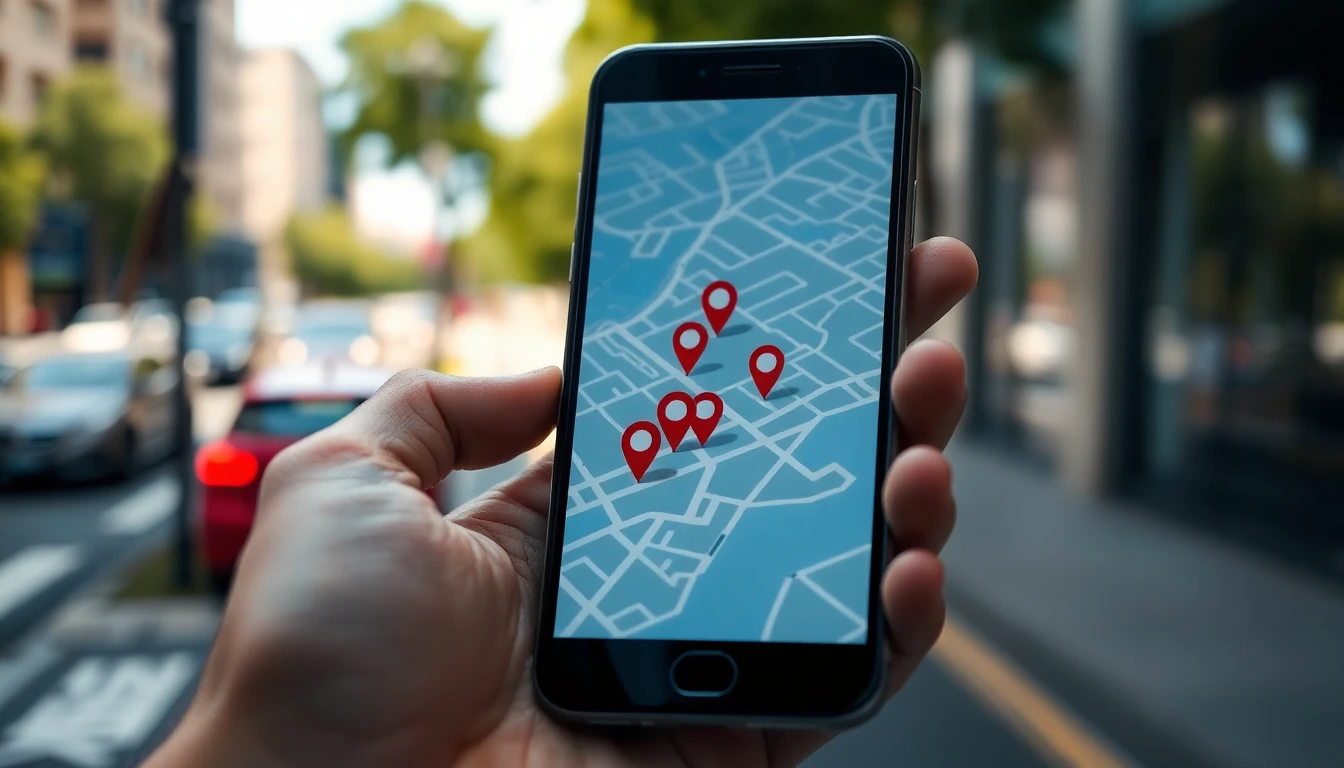
Your Google Business Profile is the single biggest factor in whether you appear in the local pack and on Google Maps, which is where many people find local businesses. Our full Google Business Profile optimization guide goes step by step. The checklist version:
1. The profile is claimed and verified. Unverified profiles rank poorly and can be edited by anyone. Make sure the owner account is yours, not a former employee's or an old agency's.
2. The business name matches your real-world name. No keywords or city names added. Keyword stuffing in the business name breaks Google's guidelines and is a common cause of suspensions.
3. The primary category is the most specific one that fits. Google matches searches to categories closely. Choose the category that describes what you most want to be found for, then add relevant secondary categories.
4. Address and service areas are set correctly. If customers visit you, show your address. If you are a service area business that travels to customers, hide the address and set the areas you serve.
5. Business hours are accurate, including holidays. Wrong hours lead to bad experiences and negative reviews. Update special hours before every holiday.
6. The business description is complete and written for people. Explain what you do, who you serve and where, in plain language.
7. Photos are real and current. Your premises, your team, your work. Add new photos regularly instead of uploading fifty once.
8. Products or services are listed. Fill in the services section with the same service names your website uses. This is business information Google can match to searches.
NAP Consistency So Search Engines Trust Your Details (Points 9–13)
NAP stands for name, address and phone number. Search engines cross-check these business details across the web, and inconsistencies reduce their confidence that the information is right. Our guide to NAP consistency covers this in depth.
9. Your NAP is identical everywhere. Same business name, address and phone number format on your website, Google Business Profile and every directory. "Suite 4" and "#4" count as different.
10. Your own website shows NAP in text, not just an image. Usually in the footer and on the contact page, so search engines can read your contact details.
11. The major business listings are claimed. Bing Places, Apple Business Connect (which feeds Apple Maps), Yelp, Facebook and the Better Business Bureau, at minimum.
12. Relevant directories are covered. The two or three business directories specific to your trade, plus your chamber of commerce or city business directory. Quality and relevance matter more than volume: a handful of relevant directories beats hundreds of low-quality local directories.
13. Duplicate listings are removed or merged. Duplicate listings split reviews and confuse search engines. Search for your business name and old phone numbers to find them.
On Page SEO and Service Pages (Points 14–20)
Your website still matters for local rankings, both for the organic search results below the map and as a signal behind the map itself. Our on-page SEO checklist covers page-level detail.
14. Each core service has its own service page. One page per service you want to rank for, not one page listing everything. Service pages are where most local businesses gain or lose rankings.
15. Service pages target local keywords. "Water heater repair in Corona" rather than just "water heater repair." Use a keyword research tool or Google's own autocomplete to see how local customers phrase it.
16. Title tags include the service and location. Keep them under about 60 characters and write them for clicks. Our guide to title tags and meta descriptions has examples.
17. Location pages are real, if you serve multiple locations. A business with multiple business locations should have a page for each, with genuinely local content: the address, staff, directions and local details. Swapping only the city name on copied pages is thin content.
18. Pages answer local questions. Pricing factors, service areas, response times, permits, parking, nearby local landmarks. Content that answers what local customers actually ask matches local intent, and it is what search engines and AI search tools quote. That is most of what AI search optimization means for a local business.
19. Internal links connect service and location pages. Your home page links to each service, each service page links to related services and the contact page.
20. Every page has a clear way to contact you. A tap-to-call phone number, a short form and directions. Local search is often mobile and urgent.
Technical Local SEO Optimization and Local Business Structured Data (Points 21–24)
Technical problems quietly cap everything above. Our technical SEO audit checklist covers the full list. For local SEO optimization, check these four:
21. The site is mobile friendly and fast. Many local searches happen on mobile devices, often by someone who needs you now. Test your key pages in Google's PageSpeed Insights and look at Core Web Vitals. Our guide to Core Web Vitals explains what to fix first.
22. Local business structured data is in place. LocalBusiness schema in JSON-LD tells search engines your business name, address, phone, hours and service area in a format they read directly. Our schema markup guide shows how to add it and validate it.
23. Google Search Console is set up and clean. No indexing errors on your key website pages, no manual actions, sitemap submitted. Check it monthly.
24. There are no broken links or dead pages. Old pages that now return errors waste the links and visits pointing at them. Redirect them to the closest live page.
Online Reviews (Points 25–27)
Reviews influence both rankings and whether people choose you once they find you. Our guide to getting more Google reviews covers the full system.
25. You ask every happy customer for a review. A steady flow of recent reviews beats a burst followed by silence. Make it easy with a direct review link.
26. You respond to every review, positive and negative. A calm, specific reply to negative feedback shows prospects how you handle problems. Thank people for positive reviews by name.
27. You follow the rules. No paying for reviews, no offering discounts for them and no only asking customers you expect to be happy. Google's policies prohibit all three, and fake or incentivised reviews can get removed or put the profile at risk.
Local Link Building and Community Signals (Points 28–30)

Links from other local websites are a strong prominence signal and one of the hardest for competitors to copy. Our approach to link building and authority growth explains what earned links look like.
28. You have links from local organizations. Being part of the local community counts online too. Chambers of commerce, trade associations, local charities you support, schools and community groups. Sponsorships often include a link.
29. You appear in local media. Local media outlets, local news outlets and local bloggers cover businesses that do something newsworthy: an event, a milestone, expert commentary on a local issue.
30. You build relationships with local partners. Local suppliers, complementary businesses and referral partners can link to each other where it genuinely helps customers.
Avoid paid link packages. Cheap, unrelated links don't help local rankings and can create a cleanup job later.
How Local Businesses Can Track Local Search Results
A checklist is only useful if you can see whether it's working. Track these monthly:
- Google Business Profile performance: calls, direction requests and website clicks from the profile.
- Local pack rankings: where you appear for your main services in your area. Rankings vary block by block, so check from more than one location.
- Google Search Console: impressions and clicks for local keywords and service pages.
- Enquiries: calls and form submissions you can trace back to search.
Expect local search visibility to improve faster than organic rankings. Google Business Profile fixes can show results in weeks. Organic local rankings usually follow the normal three-to-six-month curve. Our guide to ranking in the Google Map Pack explains what drives the map results specifically.
Frequently Asked Questions
What is the most important item on a local SEO checklist?
A verified, complete Google Business Profile with the right primary category. It has the largest effect on whether you appear in the local pack, and it costs nothing.
How often should I run through a local SEO checklist?
Do a full pass once, then review it every quarter. Check reviews and your Google Business Profile weekly, and NAP consistency whenever your phone number, address or hours change.
Does local SEO work for service area businesses without a storefront?
Yes. Hide your address in Google Business Profile, set your service areas, and build a page for each service and the areas you cover. Distance is measured from your business location, so ranking well far beyond it is harder.
Do I need local business schema?
It isn't required, but it helps search engines read your business information accurately, and it takes little time to add. It is one of the cheaper items on the list.
How long does local SEO take to work?
Google Business Profile improvements can show in the local pack within weeks. Organic rankings for local keywords usually take three to six months. Our SEO timeline guide covers what to expect month by month.
Want the Checklist Done for You?
This list covers the local SEO fundamentals. If you'd rather have someone run it for you, or you've worked through it and still aren't showing up, Empire Internet Solutions will review your profile, citations and site and tell you which items will move rankings fastest. Book a free consultation and get a prioritised plan for your business.